A Letter to Santa from Joe Manufacturing, CEO
by MGB2B
 Dear Santa,
I’ve been pretty good this year, right? We’ll probably give out some bonuses. We were in the black, not the red. So that’s good. I’m grateful for everything I got in 2016.
So can you make sure that 2017 is even better? I mean, I don’t want to push it. You never know what the year can bring, but if you have any pull up there in the North Pole, I have a list of a few things I’d like to see “under my tree.”
- Love. I’d like to see a little bit of love between my Marketing and Sales Departments. If you can pull that off, there is no one on earth that would doubt your existence.
- Creativity. Not just in the marketing department, but in every department. I want to see creative thinking from everyone who walks into my office.
- Trade Show Advice. This year was better than the year before, but I want 2017 to be the best year we have at trade shows, even if it means cutting a few.
- Insights. Particularly on which opportunity markets are worth pursuing. And which ones to forget about.
- Leads. A giant bag of leads would be most appreciated.
- Good Tidings. Preferably in the form of a good report from Mary in Accounting.
Can you fit all that on your sleigh this year? If you can, I’ll have some cookies and milk waiting for you in the conference room.
Yours Truly,
Joe Manufacturing
CEO, Acme Widgets
Continue ReadingB2B Monday Myth: Positioning Your Brand As ‘The Best’ Is a Good Marketing Strategy
by MGB2B
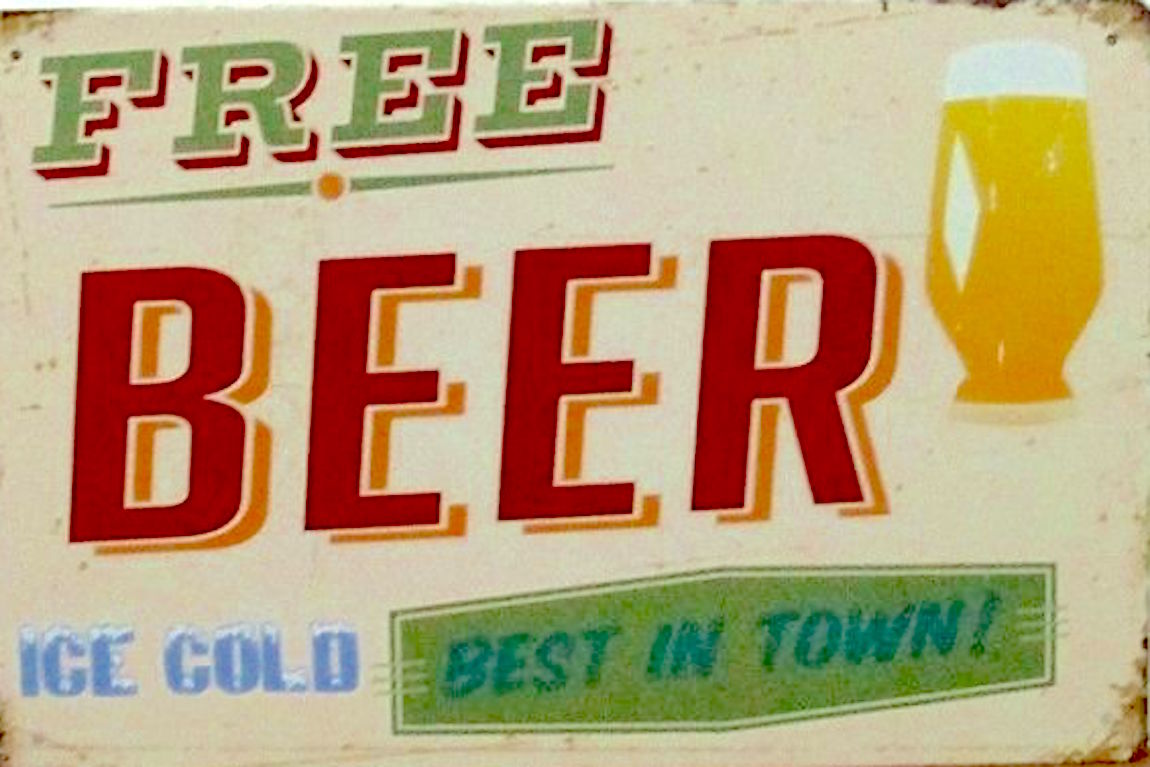
The Myth: Everyone Wants the Best, So That Should Be Your Claim.
The Truth: Find Your Point of Differentiation, or Your Competitors Win.
Maybe you actually are the best manufacturer of aerospace components, the best provider of recruitment services, the best commercial construction company in the region. But B2B buyers are so used to hearing businesses call themselves “the best,” it falls on deaf ears. They are practically born with BS detectors inside their brains.
So even if you’re the best in town, what you need to tell them is why you are the best.
You can start your positioning process with these questions:
- What are you competitors saying about themselves?
- What do you do differently?
- What do you better?
- What can you claim that no one else can?
- How is the personality of your brand different from others in your category?
The truths you discover by answering these questions will help drive your strategic brand positioning. Even if you already knew the answers, if you are marketing your business as “the best,” your message likely does not include them. And will have to go a long way to resonate with your target audience.
The questions listed above are just an introductory step to discovering your brand voice. There’s a lot more discovery you may have to do to develop a full positioning statement and a marketing strategy that’s inline with what you find. It is one of the most important exercises for a B2B brand to go through.
Positioning B2B brands correctly takes a little bit of research and hard work. But the results will help you not only be “the best” in your category, but the best at getting quality leads. If you want to increase your market share, say goodbye to “best” and hello to something even greater.
Continue Reading
B2B Monday Myth: Landing Pages Should Always Be Short and Sweet
by MGB2B

The Myth: Landing Pages Should Always Be As Short As Possible
The Truth: One Size Does Not Fit All. Sweet Definitely. But Not Necessarily Short.
Perhaps you’ve asked yourself the question: How long should my copy be? Or maybe you’ve heard that in order to maintain your audience’s attention, your messaging should always be short, sweet, and to the point. However, you should never write copy with a predetermined length in mind. Whether you are creating an argument, a story, or an explanation, the length of the copy will depend on what you have to say, who you are talking to, and what you want them to do after reading your page. So how do you identify a prospect’s state of awareness? And most importantly, how do you nurture them into making a decision?
In this article written by Brian Clarke, he references an ideology thought up in the book Breakthrough Advertising by one of the greatest copywriters of all time, Eugene Schwartz – the 5 stages of prospect awareness. By understanding these stages, you can more easily define who you’re talking to and more clearly set your goals. These are the stages as Schwartz outlines them in Breakthrough Advertising:
The 5 Stages of Prospect Awareness
Most Aware – The prospect is aware of your product and is only interested in “the deal.”
Product-Aware – The prospect is aware of what you sell, but doesn’t know if it’s a good fit for them.
Solution-Aware – The prospect is aware of how to solve their problem, but doesn’t know if your product will do the job.
Problem-Aware – The prospect is aware of the problem, but doesn’t know how to solve it.
Completely Unaware – No prior knowledge of anything besides their own identity and opinion.
Now that you have an idea who your landing pages are targeting, you can start to zero in on how much information is needed to inspire a decision. Circling back to the article by Joanna Weibe, she created this chart to help guide that process:

Chart Source: Joanna Weibe on Copyhackers.com
The more unaware your target is about your product, the more word mileage it will take to captivate them. Similarly, it will take longer to convert them as well. On the contrary, the more aware your target already is about what you have to offer, the less they’ll want to read. They just want you to cut to the chase. The main thing that matters is that whatever you include on the page, whether it’s a paragraph or a tome, the content can sway your audience.
One of the best tests you can do is to bounce your copy off someone who is at the level of awareness you are writing to. How do they react? What is interesting to them? What’s making them yawn? Next time you ask yourself: “How long should my copy be?” take their answers into account before you go back and edit your landing pages.
Need a hand creating landing pages? Drop us a line.
Continue Reading